How to Choose the Best Sandals for Healthy Feet in 2026
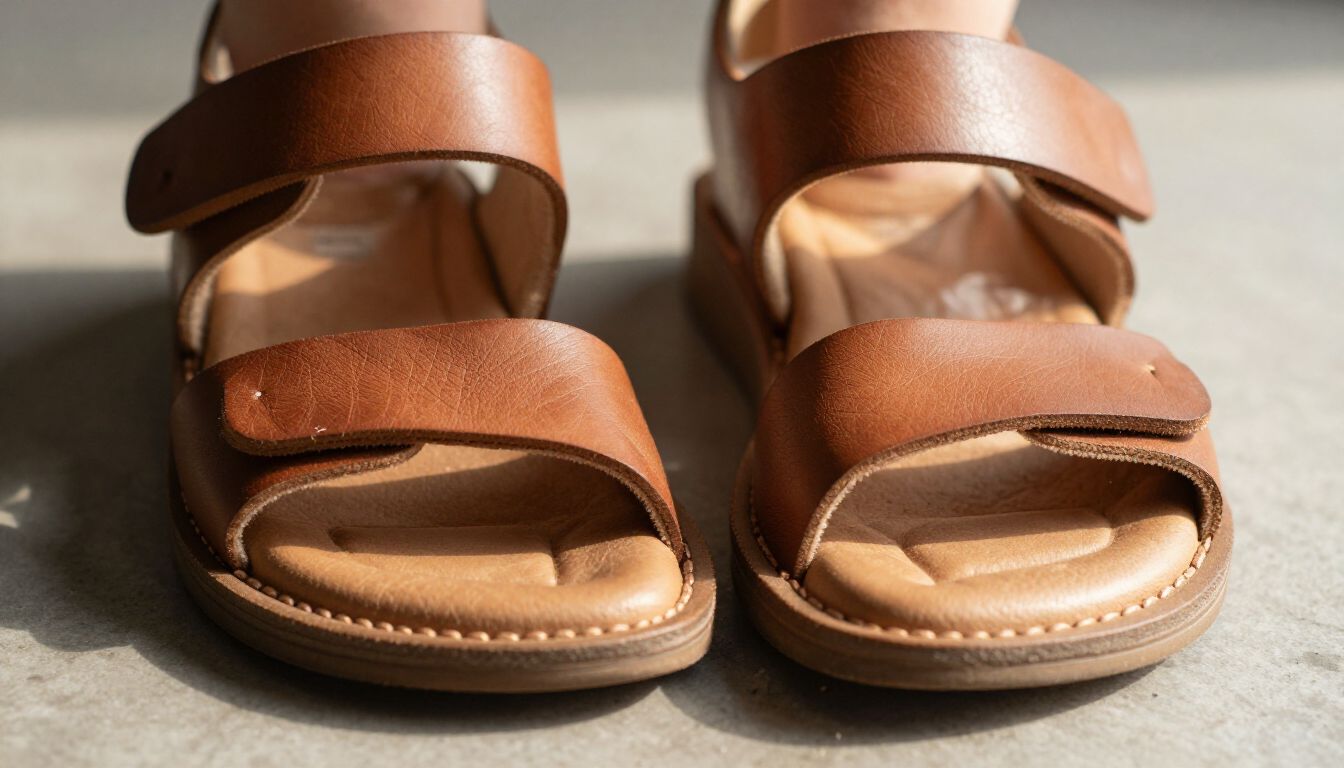
The best sandals for healthy feet provide firm arch support, a contoured footbed, and secure straps to stabilize the heel and forefoot. Unlike flat flip-flops, these features prevent excessive strain on the plantar fascia and reduce the risk of developing painful conditions like bunions or chronic heel pain during active summer months.
Why Does Your Choice of Summer Footwear Matter?
Ah, summer. The season of sun-kissed skin, melting ice cream, and the collective urge to liberate our toes from the dark, sweaty confines of winter boots. But before you reach for that $5 pair of rubber slabs from the bin at the grocery store, your feet would like a word. Actually, they’d like a scream, but they’re usually polite until the blisters start. Choosing the best sandals for healthy feet isn’t just about avoiding a fashion faux pas; it’s about biomechanical survival.
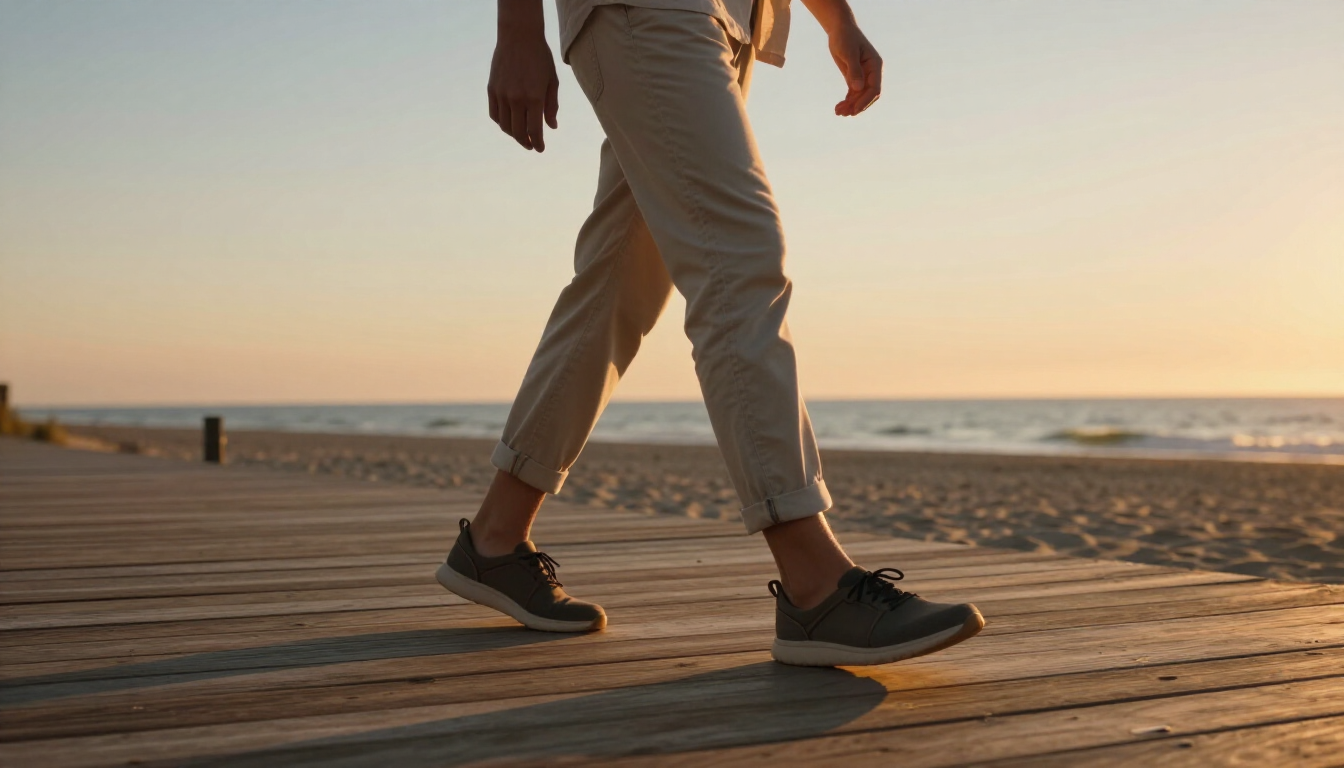
When the temperature rises, we tend to be more active. We’re walking on boardwalks, chasing kids through parks, and navigating slippery poolside tiles. In these high-stakes environments, your footwear is the only thing standing between you and a summer spent on the couch with an ice pack. Most people think sandals are inherently "bad" for your feet, but that is a myth we are here to debunk. The right sandal can actually support your gait and protect your joints, while the wrong one can lead to a domino effect of pain starting at your soles and ending in your lower back.
At Premier Foot & Ankle, we see the aftermath of the "summer slide" every year. Patients come in with mystery aches that almost always trace back to a lack of structural integrity in their seasonal shoes. Your feet are complex machines, featuring 26 bones and a network of tendons that deserve more than a thin piece of foam. If you wouldn't drive a car without suspension, why would you walk on pavement without arch support?
What Are the Real Risks of Wearing Flip-Flops?
Let’s address the elephant in the room: the classic rubber flip-flop. We get it. They’re easy, they’re cheap, and they’re quintessential beachwear. However, from a podiatric perspective, they are essentially the fast food of footwear. They’re fine for a two-minute walk from the car to the sand, but as a primary walking shoe, they are a recipe for disaster.
The primary issue is the "flip-flop gait." Because there is no back strap, your toes have to constantly "scrunch" or grip the footbed to keep the shoe from flying off. This repetitive gripping strains the tendons and can exacerbate Hammertoes or lead to Tendonitis . Furthermore, the total lack of arch support causes the foot to flatten completely with every step. This over-pronation stretches the plantar fascia—the thick band of tissue under your foot—leading to the dreaded Plantar Fasciitis .
Here are the top risks associated with cheap flip-flops:
- Plantar Fasciitis: Intense Heel Pain caused by a lack of arch support.
- Stress Fractures: Minimal shock absorption means your bones take the brunt of the impact.
- Blisters and Infections: Cheap plastic straps rub against skin, creating openings for bacteria.
- Lack of Protection: Exposed feet are prone to cuts, stubs, and Athlete's Foot .
- Postural Issues: The flat base can cause misalignment in your ankles, knees, and hips.
How Do I Find the Best Sandals for Arch Support?
Finding the holy grail of summer footwear—the stylish yet supportive sandal—requires a bit of detective work. You aren't just looking for something that feels "soft." In fact, "squishy" is often the enemy of "supportive." You want a footbed that mimics the natural shape of a healthy foot. When shopping for the best sandals for healthy feet , keep an eye out for these three non-negotiables:
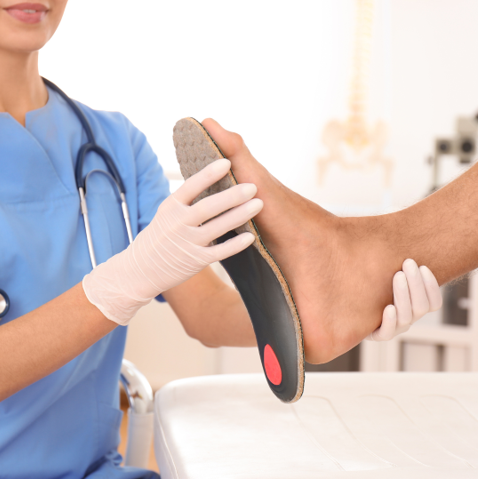
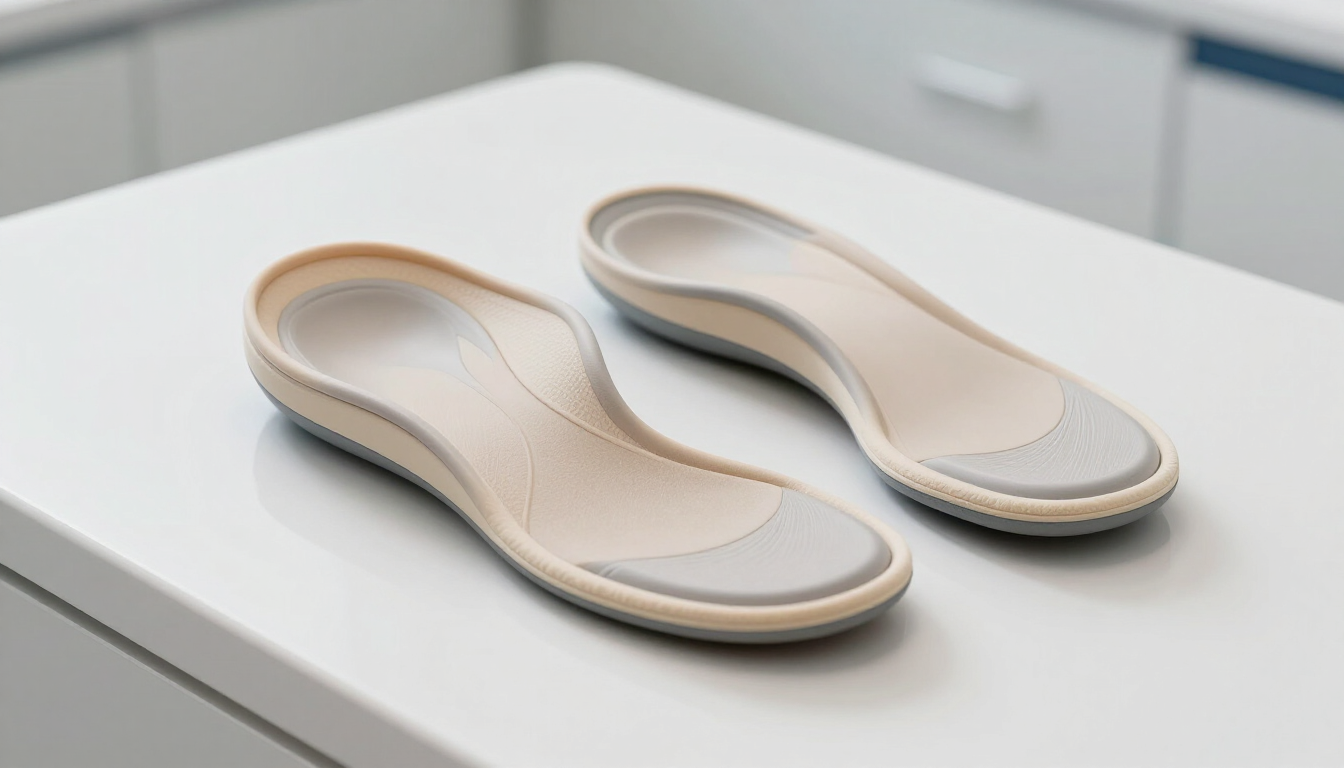
- A Contoured Footbed: Look for a visible hump in the middle of the shoe that fits into your arch. This distributes weight evenly across the entire foot.
- Deep Heel Cups: A deep indentation for your heel helps stabilize the foot and prevents it from rolling inward or outward (over-pronation or supination).
- Adjustable Straps: Whether it's Velcro or buckles, being able to secure the shoe to your foot prevents that toe-gripping action we mentioned earlier.
If you have Flat Feet , you might need a firmer arch than someone with high arches. For those who already use custom Orthotics , some high-end sandal brands actually feature removable footbeds, allowing you to swap in your prescription inserts. This is the ultimate "pro move" for summer foot health.
5 Signs Your Sandals Are Actually Hurting You
Sometimes, a shoe looks comfortable in the store but reveals its true colors after a mile of walking. Your body is excellent at sending warning signals; you just have to know how to translate them. If you experience any of the following, it's time to retire those sandals to the back of the closet:
- The Morning Ache: If your first steps out of bed feel like walking on glass, your sandals likely failed to support your arch the day before.
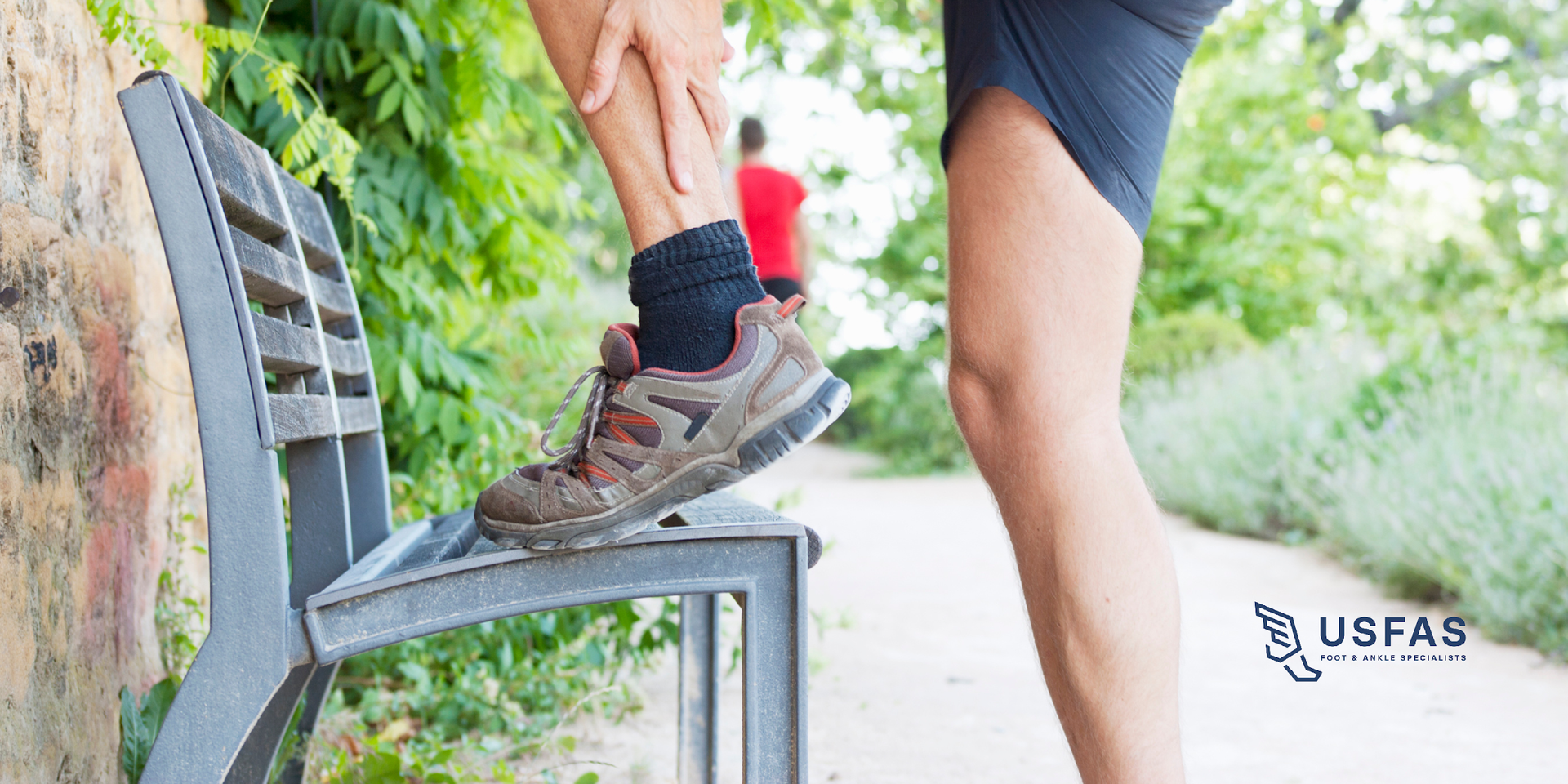
- Shin Splints: Pain along the front of your lower legs often indicates your feet are working too hard to stabilize your gait.
- Knee or Back Pain: Misaligned feet throw off your entire kinetic chain, leading to mystery pains far above your ankles.
- Redness or Swelling: This could be a sign of poor circulation or friction from ill-fitting straps.
- Thickening Skin: Developing Calluses in odd places suggests your shoe is creating high-pressure zones that shouldn't exist.
Don't ignore these signs. A