



How to Treat Plantar Fasciitis: A Podiatrist Guide

November 23, 2026

Plantar fasciitis is a common cause of heel pain, usually triggered by irritation or small tears in the plantar fascia, the band supporting your foot’s arch. Rest, stretching, supportive footwear, and targeted treatment often help. A podiatrist can confirm the diagnosis, address contributing factors, and create a plan for lasting relief.

Podiatrist evaluating plantar fasciitis heel pain

What does plantar fasciitis feel like?

Plantar fasciitis typically causes a sharp, stabbing pain near the bottom of the heel. Many people notice it most strongly with their first steps in the morning or after sitting for a long time. The discomfort may ease as you move, then return after prolonged standing, walking, or exercise.

Common symptoms include:

  • Heel pain with the first steps after waking
  • Pain after resting, driving, or sitting
  • Tenderness along the arch or inner heel
  • Discomfort after long periods of standing
  • Stiffness that worsens after activity

The pain can affect one or both feet. It may develop gradually, making it tempting to ignore. However, changing the way you walk to avoid discomfort can place additional stress on your ankles, knees, hips, or back.

What causes plantar fasciitis?

The plantar fascia is a strong strip of tissue extending from the heel bone toward the toes. It helps absorb impact and supports the arch during walking. Repeated strain can cause irritation and microscopic damage where the fascia connects to the heel.

Factors that may increase your risk include:

  • Tight calf muscles or Achilles tendons
  • Flat feet or unusually high arches
  • Unsupportive, worn-out, or poorly fitted shoes
  • Sudden increases in walking, running, or sports
  • Standing for long hours at work
  • Higher body weight placing extra stress on the feet
  • Limited ankle flexibility

Plantar fasciitis is not always caused by one event. It often reflects a combination of foot structure, activity, footwear, and muscle tightness. Understanding those factors helps a podiatrist recommend treatment that fits your daily routine.

How can a podiatrist diagnose plantar fasciitis?

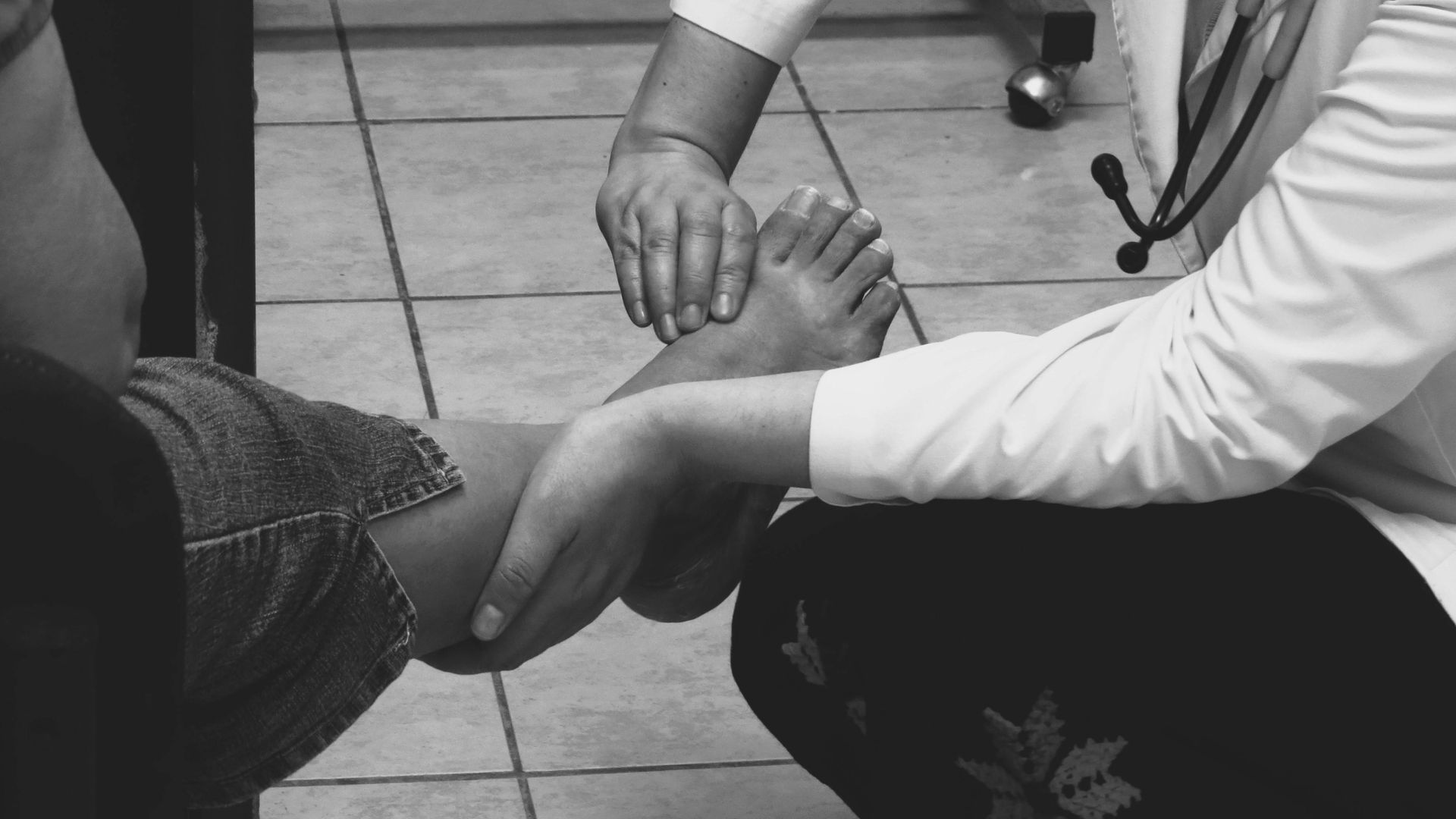
A podiatrist usually begins with a conversation about your symptoms, activities, footwear, and medical history. During the examination, they may gently press along the heel and arch, assess your range of motion, observe your walking pattern, and evaluate your foot alignment.

In many cases, plantar fasciitis can be diagnosed clinically without advanced testing. X-rays or other imaging may be recommended when symptoms are unusual, severe, persistent, or possibly related to another condition. Imaging can help rule out a stress fracture, nerve problem, arthritis, or heel spur.

This evaluation matters because several conditions can cause heel pain. Treating the wrong source may delay improvement. At Premier Foot & Ankle, Dr. Michelle R. Achor and Dr. Christine M. Morgan consider both your symptoms and the mechanics affecting your feet.

For more information about symptoms and care options, visit the Plantar Fasciitis service page or explore related Heel Pain resources.

Which plantar fasciitis treatments work best?

The best treatment depends on how long you have had symptoms, how much pain you experience, and what may be contributing to the condition. Most people begin with conservative care, which may include:

  1. Activity modification: Temporarily reduce high-impact activities and replace them with lower-impact options such as cycling or swimming.
  2. Stretching: Gentle calf and plantar fascia stretches can improve flexibility and reduce strain on the heel.
  3. Supportive footwear: Shoes with cushioning, firm arch support, and a stable heel can reduce stress during daily activities.
  4. Ice and pain management: Cold therapy may help after activity. Your provider can discuss appropriate pain-relief options.
  5. Custom orthotics: Personalized inserts may improve alignment, distribute pressure, and support the arch more effectively than generic inserts.

A podiatrist may also recommend physical therapy, night splints, temporary immobilization, or other treatments when appropriate. The goal is not simply to mask pain. It is to improve the conditions that allow the plantar fascia to recover.

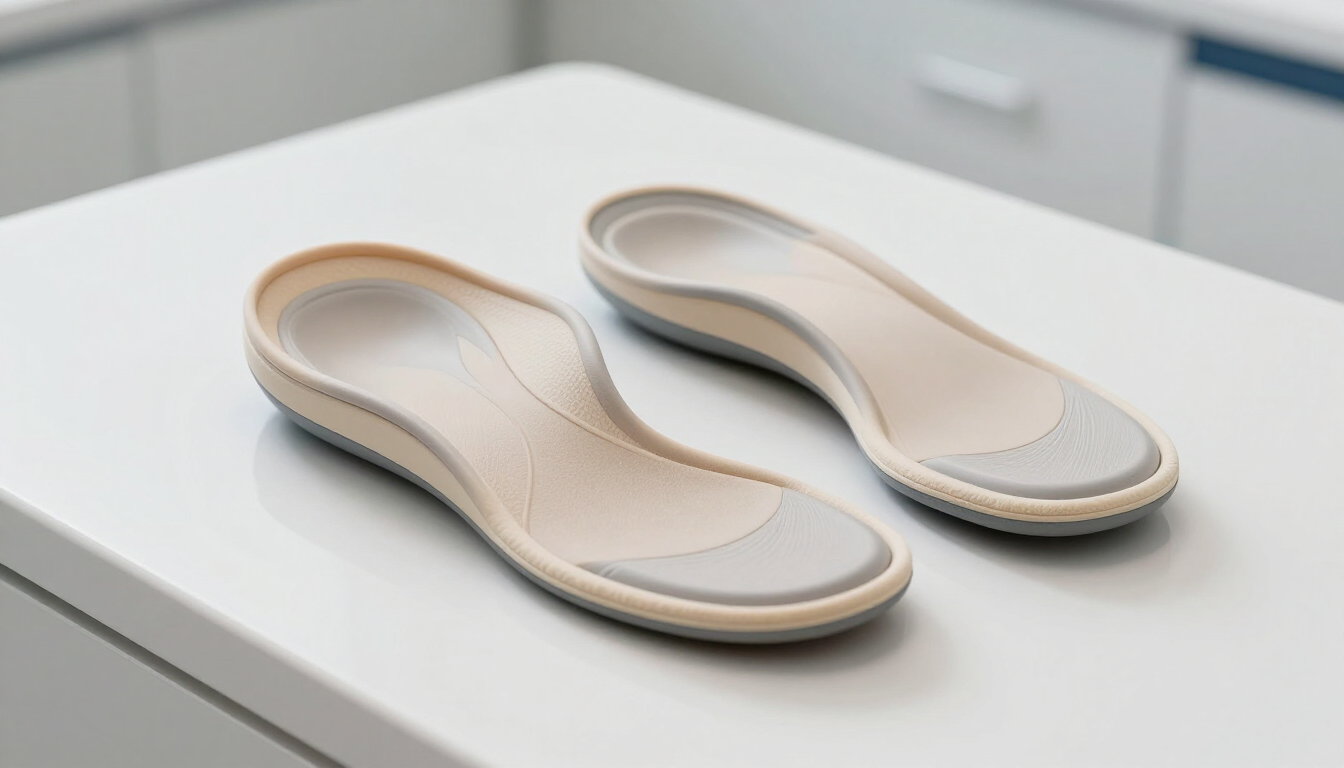
Supportive footwear and custom orthotics for heel pain

Can orthotics help plantar fasciitis?

Orthotics can help some people with plantar fasciitis by supporting the arch and reducing excessive pressure beneath the heel. They may be especially useful when flat feet, high arches, overpronation, or repeated strain contribute to symptoms.

Not every person needs custom orthotics, and an insert should not be selected solely because it is advertised for heel pain. A podiatrist can assess your foot structure and determine whether an orthotic is appropriate. They can also recommend the right design, materials, and break-in schedule.

Learn more about how foot supports may fit into a treatment plan on the Orthotics page.

How long does plantar fasciitis take to heal?

Recovery varies. Mild symptoms may improve within several weeks when you consistently follow a treatment plan. More persistent cases can take several months, particularly when the underlying causes remain active or treatment is started late.

Improvement is often gradual rather than immediate. You may notice less morning pain before the condition feels completely resolved. Keep following the plan even when symptoms begin to ease, because returning too quickly to intense activity can cause a flare-up.

Contact a podiatrist if pain is worsening, limits your normal activities, returns repeatedly, or does not improve after several weeks of home care. People with diabetes, circulation problems, numbness, or a history of foot injury should seek professional guidance sooner.

When should you see a podiatrist for heel pain?

Consider scheduling an evaluation when:

  • Heel pain affects walking, work, exercise, or sleep
  • Symptoms persist despite rest and supportive shoes
  • Pain keeps returning after temporary improvement
  • You have swelling, bruising, numbness, or significant weakness
  • You cannot comfortably bear weight
  • You have diabetes or another condition affecting foot health

A prompt examination can clarify whether plantar fasciitis is the source of your discomfort and help prevent compensation injuries. Professional care is particularly valuable for athletes, people who stand at work, and anyone whose pain is interfering with everyday mobility. Premier Foot & Ankle also provides guidance for Sports Injuries and broader Foot & Ankle Surgery needs when conservative care is not enough.

What can you do at home for plantar fasciitis?

Home care can support recovery, especially when symptoms are mild. Try these practical habits:

  • Wear supportive shoes indoors instead of walking barefoot on hard floors.
  • Stretch your calves and the bottoms of your feet gently each day.
  • Apply a cold pack for short periods after activity, using a cloth barrier.
  • Avoid suddenly increasing running, hiking, or other high-impact exercise.
  • Replace shoes when the cushioning or support has visibly worn down.

Avoid aggressive stretching, intense massage, or pushing through sharp pain. If a home routine makes symptoms worse, stop and ask a podiatrist for personalized advice.

Patient performing a gentle calf stretch for heel pain relief

Frequently asked questions

Is plantar fasciitis the same as a heel spur?

No. A heel spur is a bony growth that may appear on an X-ray, while plantar fasciitis involves irritation of the plantar fascia. A spur does not always cause pain, and many people with plantar fasciitis do not have one.

Should you walk with plantar fasciitis?

Gentle walking may be appropriate, but prolonged walking or high-impact activity can increase symptoms. Use supportive shoes, reduce activities that trigger pain, and follow guidance from your podiatrist.

Can plantar fasciitis come back?

Yes. Symptoms may return if contributing factors such as tight muscles, unsupportive shoes, training changes, or foot alignment are not addressed. Continuing stretches, choosing supportive footwear, and increasing activity gradually can lower the risk.

Your next step for lasting heel-pain relief

Plantar fasciitis often improves with consistent, conservative care, but the right plan depends on your foot structure, symptoms, and daily demands. Start with supportive shoes, gentle stretching, activity adjustments, and cold therapy when appropriate. If pain persists, worsens, or limits normal movement, schedule an evaluation rather than continuing to guess at the cause. Premier Foot & Ankle podiatrists can confirm the diagnosis, identify contributing factors, and explain options such as orthotics, therapy, or advanced treatment. Review the Services page, then contact the office to discuss your heel pain and next steps.

A close-up of custom orthotic inserts designed for arch support.
July 21, 2026
Discover the top benefits of custom orthotics for pain relief and alignment. Learn why prescription inserts outperform store-bought options for long-term health.
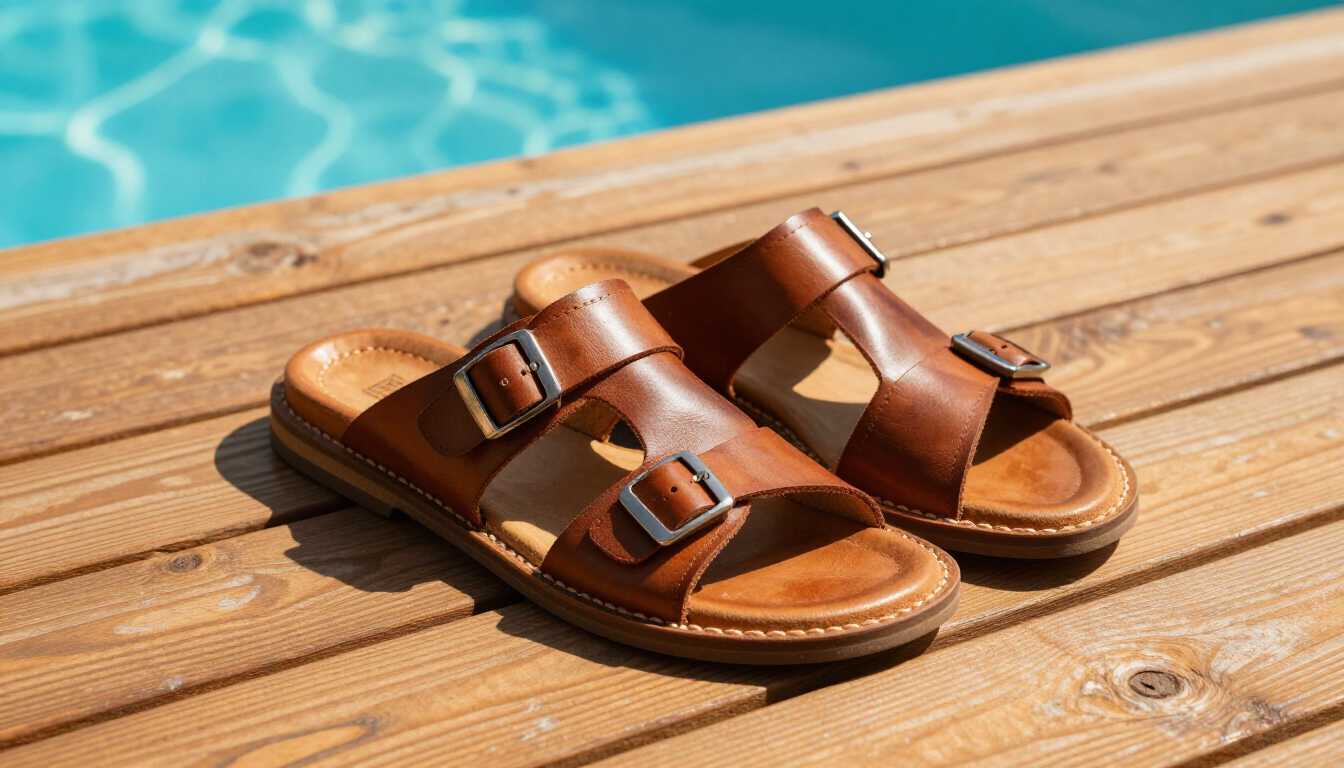
Stylish leather sandals with arch support on a summer deck.
June 4, 2026
Discover the best sandals for healthy feet this summer. Learn about arch support, flip-flop risks, and how to avoid foot pain with expert tips from Premier Foot & Ankle.

Close-up, low-angle view of many runners' legs and sneakers moving across an asphalt road during a race.
By VIV Builder • April 9, 2026
Stay active and pain-free this Foot Health Awareness Month. Learn about heel pain, orthotics, diabetic foot care, and sports injury treatment options.

By VIV Builder • March 17, 2026
Achilles tendonitis can cause heel pain and stiffness that worsens over time. Learn the symptoms, causes, and how podiatry care can help you recover and stay active.
By VIV Builder • March 1, 2026
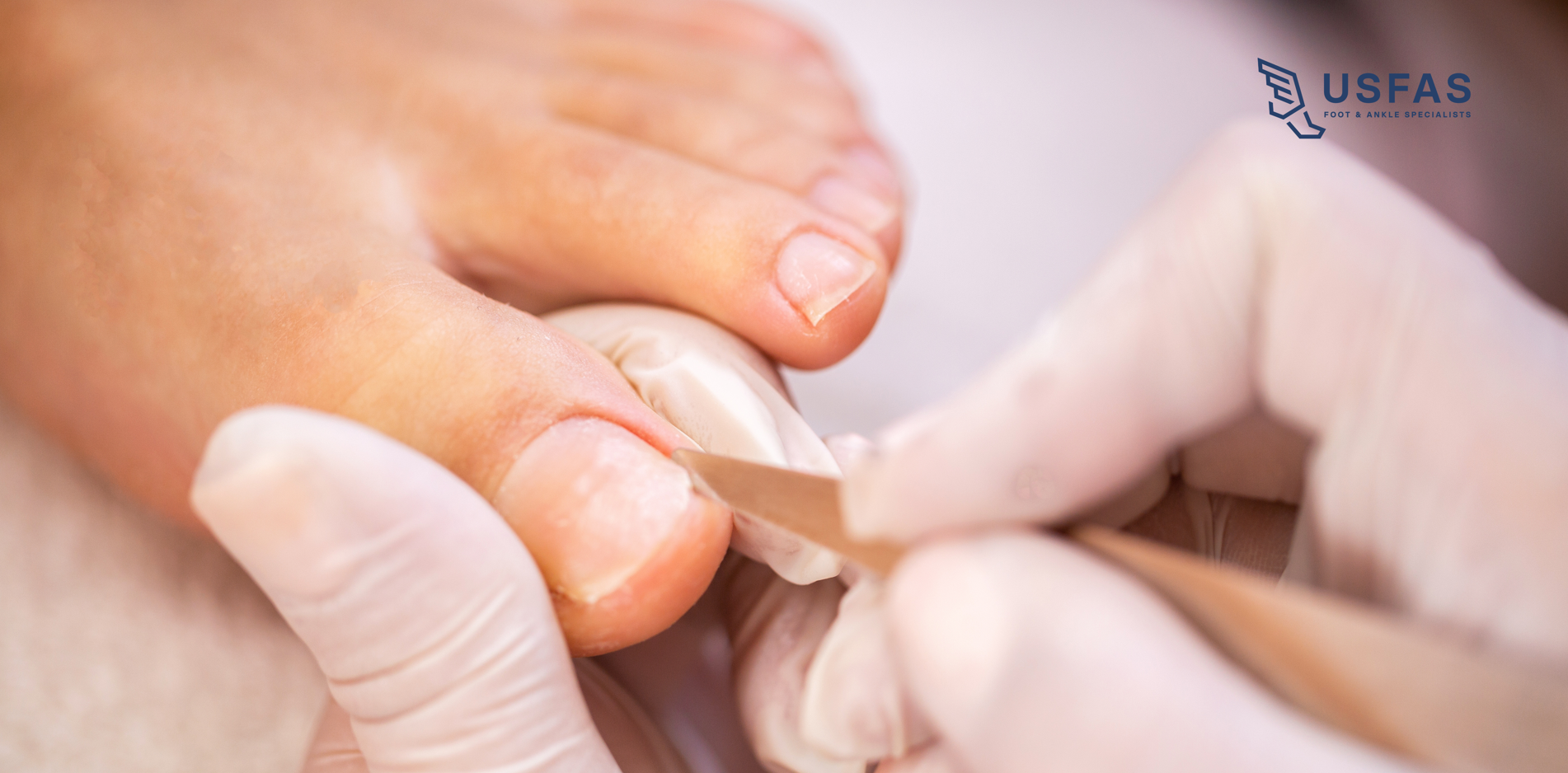
Ingrown toenails can quickly become painful if left untreated. Learn causes, symptoms, and how podiatry care can provide safe, effective relief and prevention.
By VIV Builder • February 19, 2026
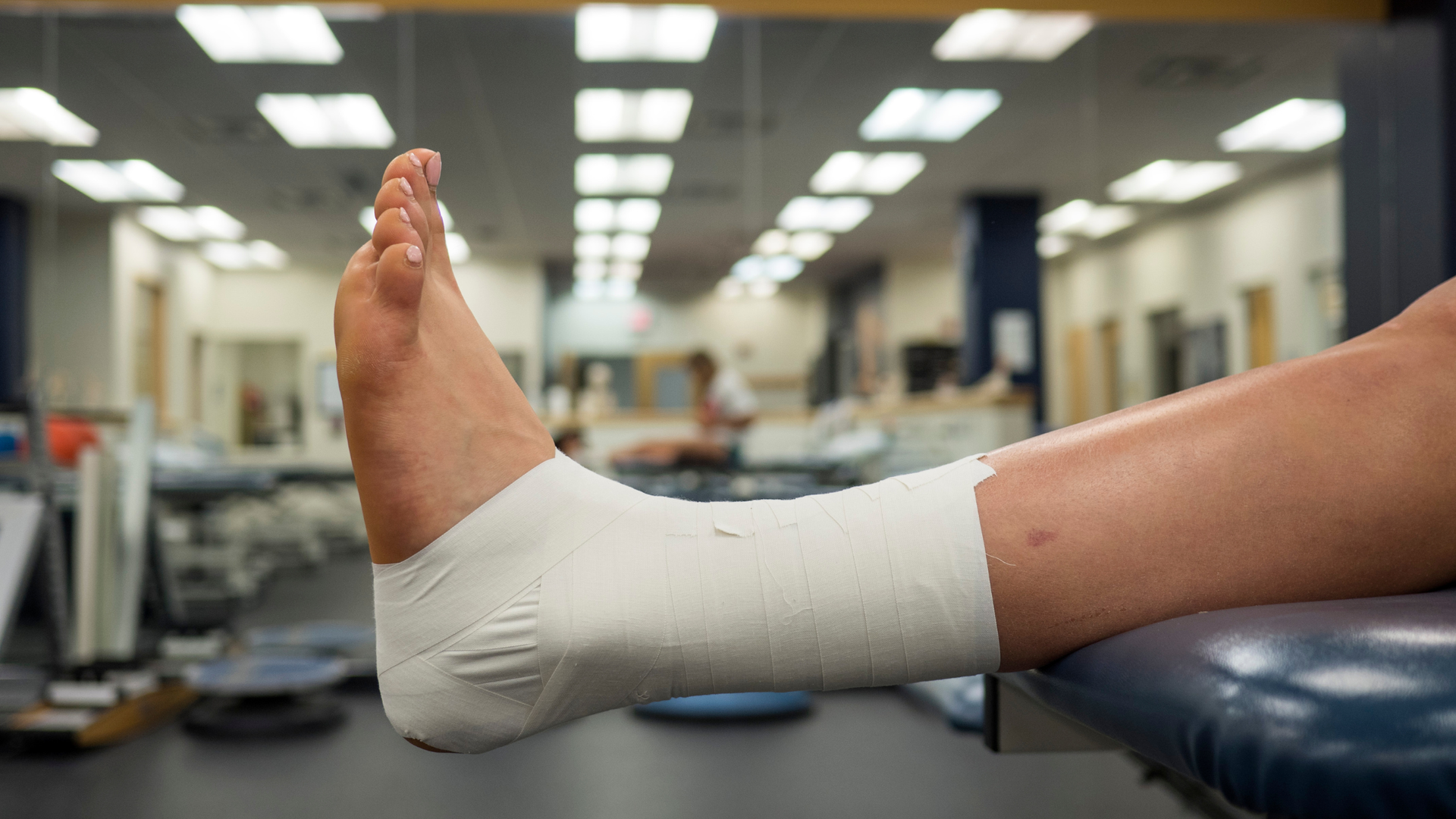
Don’t ignore an ankle sprain. Learn symptoms, causes, and why early treatment is key to preventing long-term pain and instability with expert podiatry care.
By VIV Builder • February 5, 2026
Show your feet some love this February. Learn about common foot problems like heel pain, ingrown toenails, and diabetic foot care, and how podiatry treatment can help.

By VIV Builder • January 23, 2026
Learn what a podiatrist does and how they can help treat foot and ankle conditions. Discover when to seek care and how to stay active, pain-free, and healthy.

By VIV Builder • January 9, 2026
Start the new year pain-free by addressing heel pain early. Learn common causes like plantar fasciitis and how podiatry care can help you stay active and comfortable.

By VIV Builder • December 18, 2025
Start 2026 on the right foot with expert podiatry care. Learn how to prevent foot pain, improve mobility, and stay active with comprehensive exams and treatment options.

Show More